A note on evidence. This review cites published studies on the individual ingredients found in TonicGreens. That is different from a clinical trial of the TonicGreens product itself — which, as of this writing, we could not find published in any peer-reviewed scientific database. We treat that distinction as central throughout this piece.
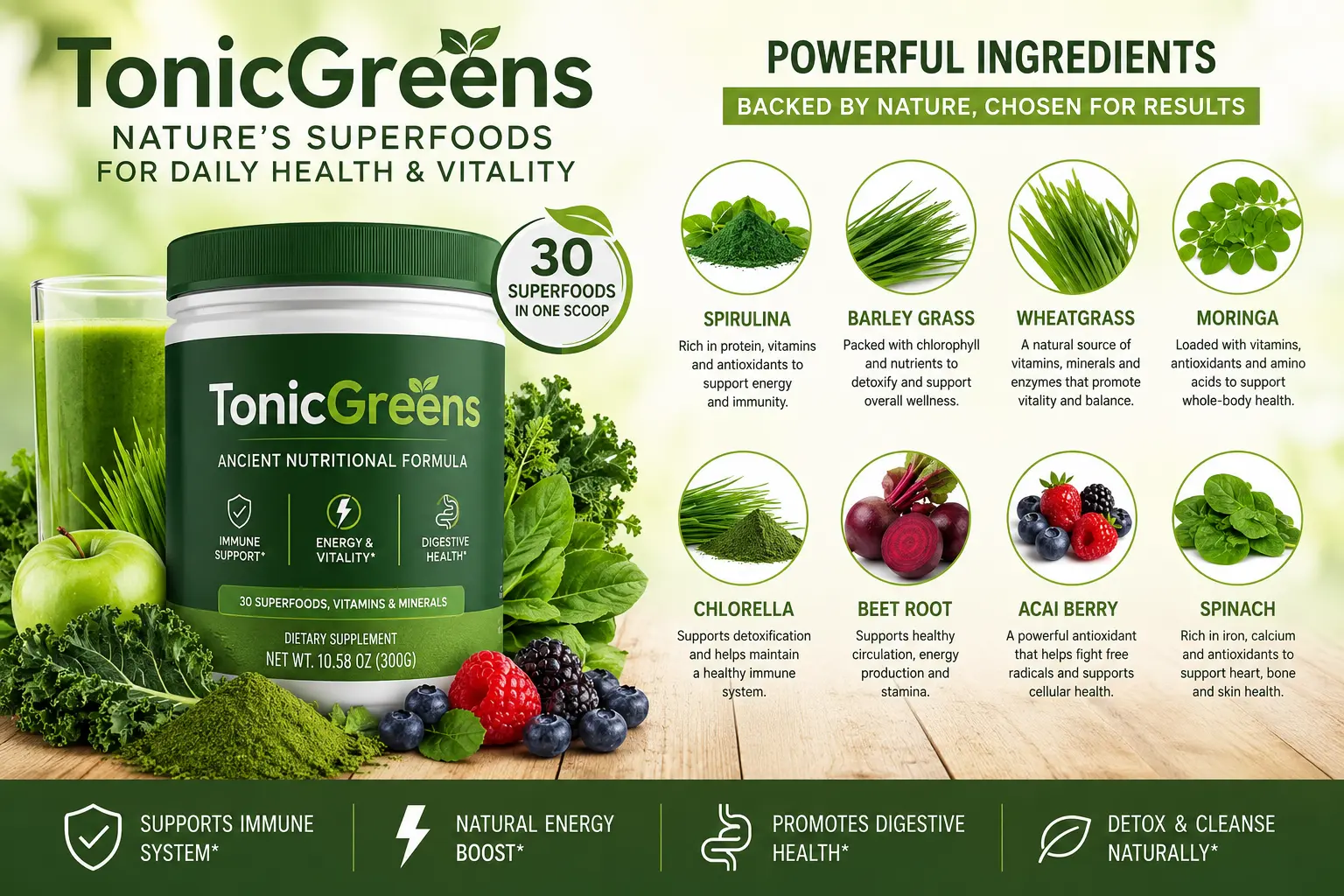
TonicGreens is sold through a network of affiliate sites as a "superfood blend" powder with 50+ ingredients, promising immune support, energy, and general wellness. As with many supplements sold primarily through affiliate marketing, it's worth separating which ingredients have real scientific backing from what's simply marketing language.
What Is TonicGreens?
TonicGreens is a powdered supplement, mixed into water, juice, or a smoothie, formulated with a blend of antioxidants, adaptogenic herbs, medicinal mushrooms, vitamins, minerals, probiotics, and prebiotics. The product is sold exclusively through affiliate sites via ClickBank or BuyGoods, a common model for direct-to-consumer supplements.
Among the ingredients most prominently featured on the official sales pages are:
Important Warning: Herpes (HSV) Claims
If you have herpes or suspect an outbreak, the evidence-backed path is to talk to a healthcare provider about antiviral medication (such as acyclovir, valacyclovir, or famciclovir), which has proven effectiveness in clinical trials for reducing the frequency and severity of outbreaks. A superfood supplement does not replace that treatment.
Ingredient Analysis: What the Science Says
This doesn't mean TonicGreens' ingredients are useless — several have real research behind them, mostly related to general antioxidant and immunomodulatory properties. Here's what the literature shows about each one, on its own:
Quercetin
A flavonoid found in fruits and vegetables with well-documented antioxidant, anti-inflammatory, and immunomodulatory properties in lab studies and some small clinical trials, including reduced infection rates in physically stressed athletes.
Resveratrol
A compound found in grapes and red fruits. Recent reviews show consistent antioxidant and anti-inflammatory effects across clinical studies, though low oral bioavailability limits how much actually reaches circulation.
"Multimodal health-promoting properties of resveratrol" — PMC (NIH)
Curcumin
The active compound in turmeric, studied in over 400 clinical trials for its anti-inflammatory and antioxidant properties. The main scientific challenge is very low bioavailability — without piperine or another absorption-enhancing technology, little curcumin actually reaches the bloodstream.
Spirulina
A blue-green algae rich in protein, phycocyanin, and antioxidants. Human studies show immunomodulatory and antioxidant effects, including increased salivary IgA and natural killer cell activity, though most trials are small.
Reishi (Ganoderma lucidum)
Used for centuries in traditional Asian medicine. Contains beta-glucans that show immunomodulatory activity in lab studies. However, a Cochrane review on reishi and cancer concluded that human clinical evidence is still limited — most data comes from in vitro or animal studies.
Probiotics & Prebiotics
The gut-immune axis is an active and growing area of research. Reviews show probiotics can modulate immune response by interacting with the gut microbiota, though effects vary considerably by the specific strain and dose used — details that proprietary blend labels often don't disclose.
"Dietary Supplements for Immune Function" — NIH Office of Dietary Supplements
What the Evidence Actually Shows
The honest summary: most of TonicGreens' individual ingredients do have real research behind them — mainly around general antioxidant and immunomodulatory properties. That is different from saying the TonicGreens product, at the specific formulation and dosage sold, has been clinically tested and proven effective.
No dietary supplement — TonicGreens included — can legally claim to treat, cure, or prevent a disease in the U.S. without going through FDA approval as a drug. The herpes-cure claims that appear in some sales materials cross that line and should not be taken as medical fact.
Side Effects & Precautions
The individual ingredients in TonicGreens are generally considered safe for healthy adults at commonly studied doses. Still, a few points are worth noting:
Who Should Avoid It or Talk to a Doctor First
Final Verdict
TonicGreens brings together ingredients that, individually, have real scientific backing as antioxidants and general immune modulators — quercetin, resveratrol, curcumin, spirulina, and medicinal mushrooms all show up regularly in serious scientific reviews.
That said, the specific product has no published clinical trial proving its effects, the proprietary blend's individual dosages aren't public, and some of the marketing material used to sell it makes herpes-cure claims that aren't backed by evidence and go beyond what any dietary supplement can legitimately promise.
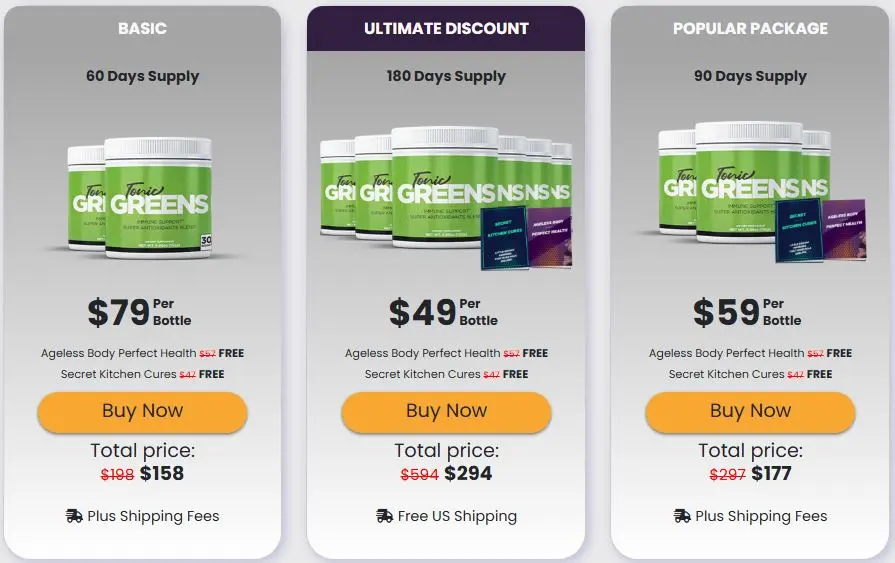
Check Today's TonicGreens Pricing
Visit the official website for current package deals, bundle discounts, and the 60-day money-back guarantee.
View Official TonicGreens OfferOfficial Website · Secure Checkout · 60-Day Money-Back Guarantee
Frequently Asked Questions
Sources & References
- Nieman DC. Quercetin, Inflammation and Immunity. PMC, NIH.
- Exploring the multimodal health-promoting properties of resveratrol. PMC, NIH.
- Role of Turmeric and Curcumin in Prevention and Treatment of Chronic Diseases. PMC, NIH.
- Spirulina in Clinical Practice: Evidence-Based Human Applications. PMC, NIH.
- Jin X, et al. Ganoderma lucidum (Reishi mushroom) for cancer treatment. Cochrane Database of Systematic Reviews, via PMC/NIH.
- Probiotics Regulate Gut Microbiota: An Effective Method to Improve Immunity. PMC, NIH.
- NIH Office of Dietary Supplements. Dietary Supplements for Immune Function and Infectious Diseases.
- NIH Office of Dietary Supplements. Vitamin C — Health Professional Fact Sheet.