Evidence-based review. This article draws on published clinical research in nutritional ophthalmology, including the AREDS2 trial and peer-reviewed studies on carotenoids, antioxidants, and vision-support ingredients. Sources are linked below.
If you've been researching eye health supplements, you've likely come across VisiFlora. With increasing screen exposure and growing concern about long-term vision, demand for nutraceutical support has surged — and so has the number of products making bold claims.
In this review, we go beyond marketing language. We examine what VisiFlora contains, what the science says about each ingredient, what real users experience, and whether the formula is worth your investment.
What Is VisiFlora?
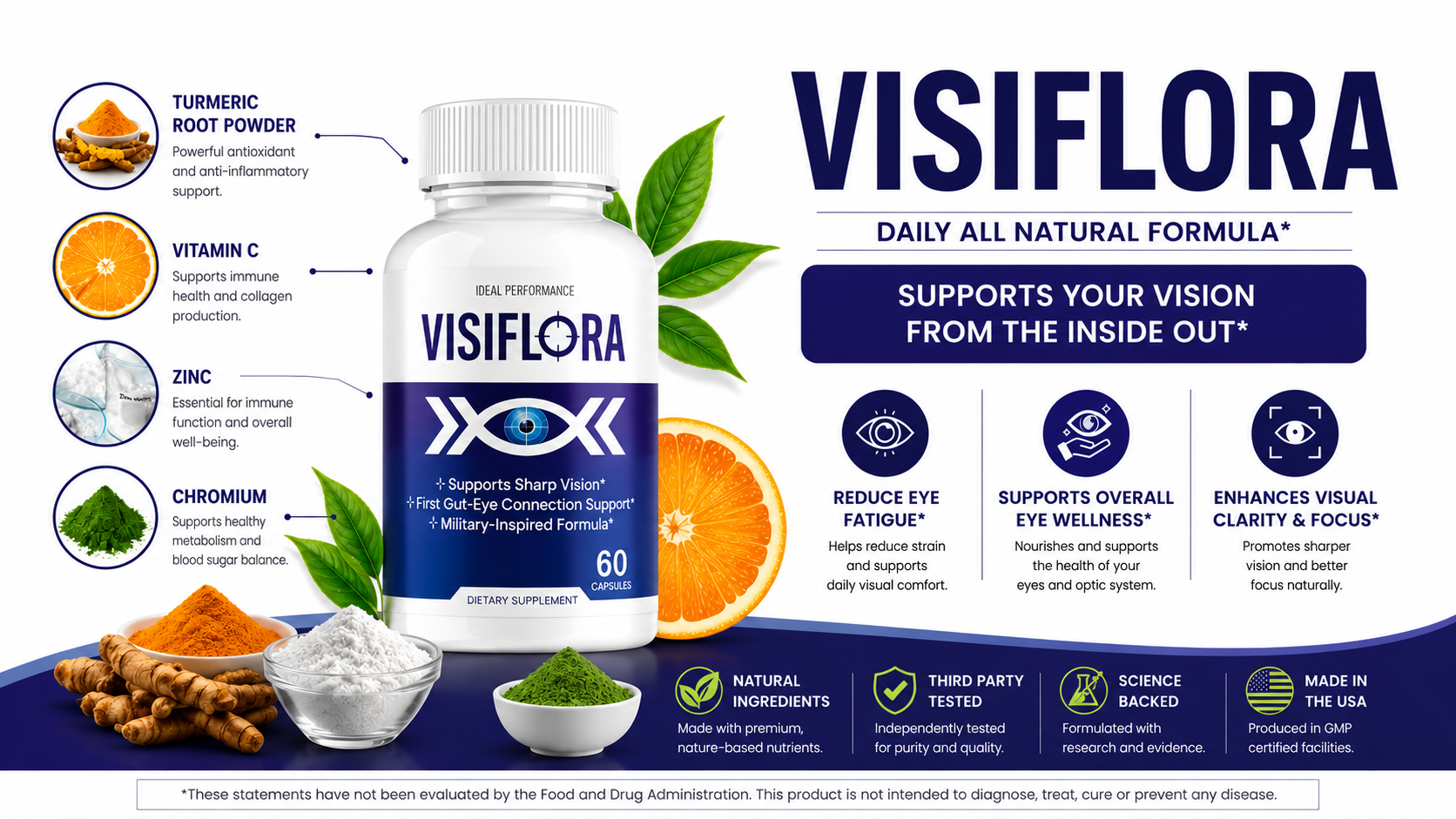
VisiFlora is a dietary supplement formulated to support eye health through a blend of carotenoids, plant extracts, antioxidants, vitamins, and minerals. It is marketed as a daily capsule for adults who want to maintain healthy vision and protect their eyes from environmental stressors.
According to the manufacturer, VisiFlora is designed to:
How Does VisiFlora Work?
VisiFlora is built around the principle that targeted nutrition can help maintain the structural and functional health of the eye. The retina, macula, and lens are highly metabolically active tissues that accumulate oxidative damage over time — and are among the first to show deficiencies in key micronutrients.
The formula addresses this through several mechanisms:
VisiFlora Ingredients Analysis
The strength of any supplement is in its ingredient profile. Here's what VisiFlora contains and what the research says:
Lutein
A carotenoid that concentrates in the macular pigment, where it absorbs blue light and acts as an antioxidant. The AREDS2 trial found lutein supplementation associated with reduced risk of advanced age-related macular degeneration.
Zeaxanthin
Works synergistically with lutein in the macula. Zeaxanthin is dominant in the central fovea and plays a key role in high-acuity central vision. Studies show it contributes to macular pigment density and may support contrast sensitivity.
Bilberry Extract
Rich in anthocyanins, which have antioxidant and anti-inflammatory properties. Traditionally used in Europe for night vision support. Research suggests bilberry may help reduce eye fatigue in individuals exposed to prolonged screen use.
Astaxanthin
One of the most potent natural antioxidants available — estimated to be significantly more powerful than vitamin E in singlet oxygen quenching. Clinical studies suggest it may support visual acuity, reduce eye fatigue, and improve accommodation.
Potential Benefits of VisiFlora
Based on the ingredient profile and available clinical evidence, consistent VisiFlora use may support:
Does VisiFlora Really Work?
The honest answer is: for some people, yes — but with caveats.
The core ingredients in VisiFlora — lutein, zeaxanthin, astaxanthin, and bilberry — each have a body of peer-reviewed research supporting their role in eye health maintenance. The AREDS2 study, which is the gold standard in eye supplement research, demonstrated that carotenoid supplementation can meaningfully reduce the risk of advanced AMD progression.
However, VisiFlora is not a prescription medication and cannot treat, cure, or prevent eye disease. Users who see the best outcomes tend to:
VisiFlora Side Effects
VisiFlora is formulated with ingredients generally recognized as safe. Most healthy adults tolerate them well at standard supplemental doses.
Potential considerations include:
VisiFlora Customer Reviews & Ratings
Based on publicly available customer feedback across supplement review platforms, here is a summary of reported experiences:
Common themes in positive reviews include improved eye comfort during long work sessions, less noticeable eye strain after a few weeks, and appreciation for the natural ingredient profile. Some users report they needed 6–8 weeks before noticing a difference, which aligns with how carotenoid levels accumulate in macular tissue.
Where to Buy VisiFlora
VisiFlora is available exclusively through the official website. Buying direct helps ensure you receive an authentic product and qualifies you for any current promotions or money-back guarantee.
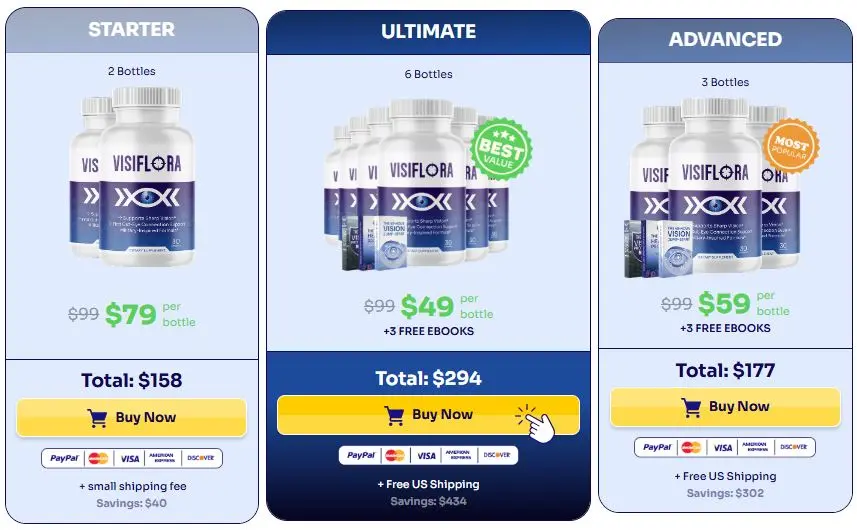
Check Today's VisiFlora Pricing
Visit the official website for current package deals, bundle discounts, and availability.
View Official VisiFlora OfferOfficial Website · Secure Checkout · Satisfaction Guarantee
Final Verdict: Is VisiFlora Worth It?
VisiFlora earns a solid recommendation as a vision support supplement for adults concerned about long-term eye health, digital eye strain, or nutritional gaps in their diet.
The formula's core ingredients — lutein, zeaxanthin, bilberry, and astaxanthin — are backed by credible clinical research. They address real mechanisms of age-related eye stress: oxidative damage, blue light accumulation in the macula, and retinal tissue fatigue.
It is not a replacement for regular ophthalmological care, nor will it reverse existing vision loss. But as part of a broader eye health strategy that includes nutrition, screen habits, and professional monitoring, VisiFlora represents a reasonable, evidence-informed choice.
Frequently Asked Questions About VisiFlora
Sources & References
- Age-Related Eye Disease Study 2 (AREDS2) Research Group. Lutein + zeaxanthin and omega-3 fatty acids for age-related macular degeneration. JAMA, 2013.
- Stringham JM, Hammond BR. Macular pigment and visual performance under glare conditions. Optometry, 2008.
- Canter PH, Ernst E. Anthocyanosides of Vaccinium myrtillus (Bilberry) for night vision. Survey of Ophthalmology, 2004.
- Nakamura A, et al. Astaxanthin case study on visual display terminal workers. Nutrients, 2011.
- National Eye Institute (NEI). AREDS / AREDS2 Clinical Trial Information.
- American Academy of Ophthalmology. Vitamins and Nutrition for Eye Health.
- NIH Office of Dietary Supplements. Vitamin A and Carotenoids Fact Sheet.
- American Optometric Association. Digital Eye Strain resources.